Shoulder.
Does the seam sit where the garment intends, or does everything begin too far from the neck?
AIVELLE · STYLE STUDY
PETITE / PROPORTION / PRESENCE
A considered guide to dressing a petite frame without dressing by rules. Not how to hide height. How to understand where clothes meet the body, where volume begins, and why the right proportion can make a garment finally feel as though it was designed for you.
Begin the study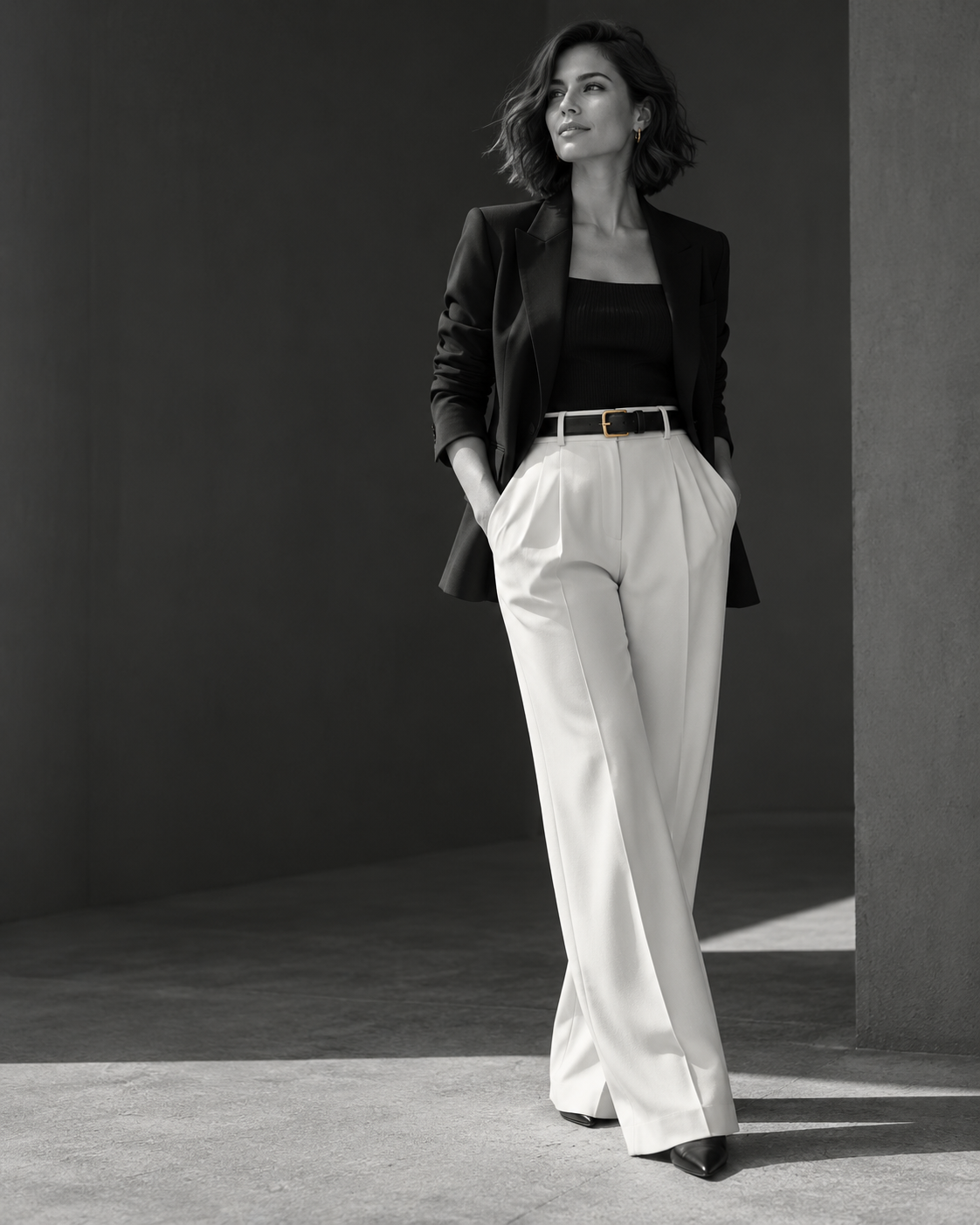
01 · THE PREMISE
Petite dressing is too often reduced to a single instruction, make yourself look taller.
That misses the point. A smaller frame does not need to be disguised. It needs clothes whose internal proportions make sense on the body wearing them.
Where does the jacket finish? Where does the trouser rise meet the waist? Where is the knee shaping in a flare? How much fabric sits between shoulder and cuff? Does the waist of a dress arrive at your waist, or several centimetres below it?
A shorter hem can solve length. It cannot correct a garment whose proportions begin in the wrong place.
The aim of this study is not to produce rules for shorter women. It is to make proportion easier to see, so that shopping becomes less about hoping a garment will work and more about recognising the signs that it will.
02 · WAIST / RISE
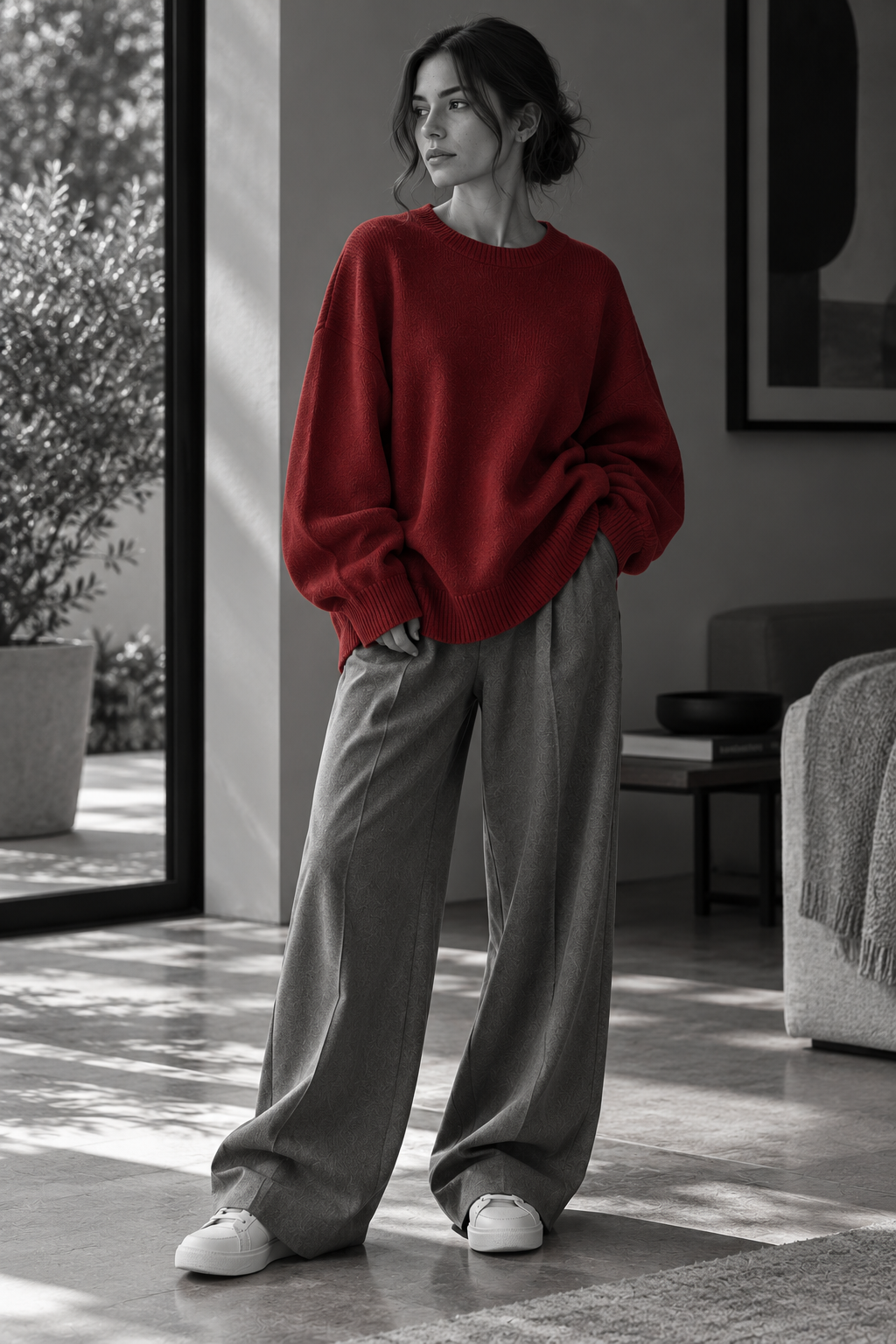
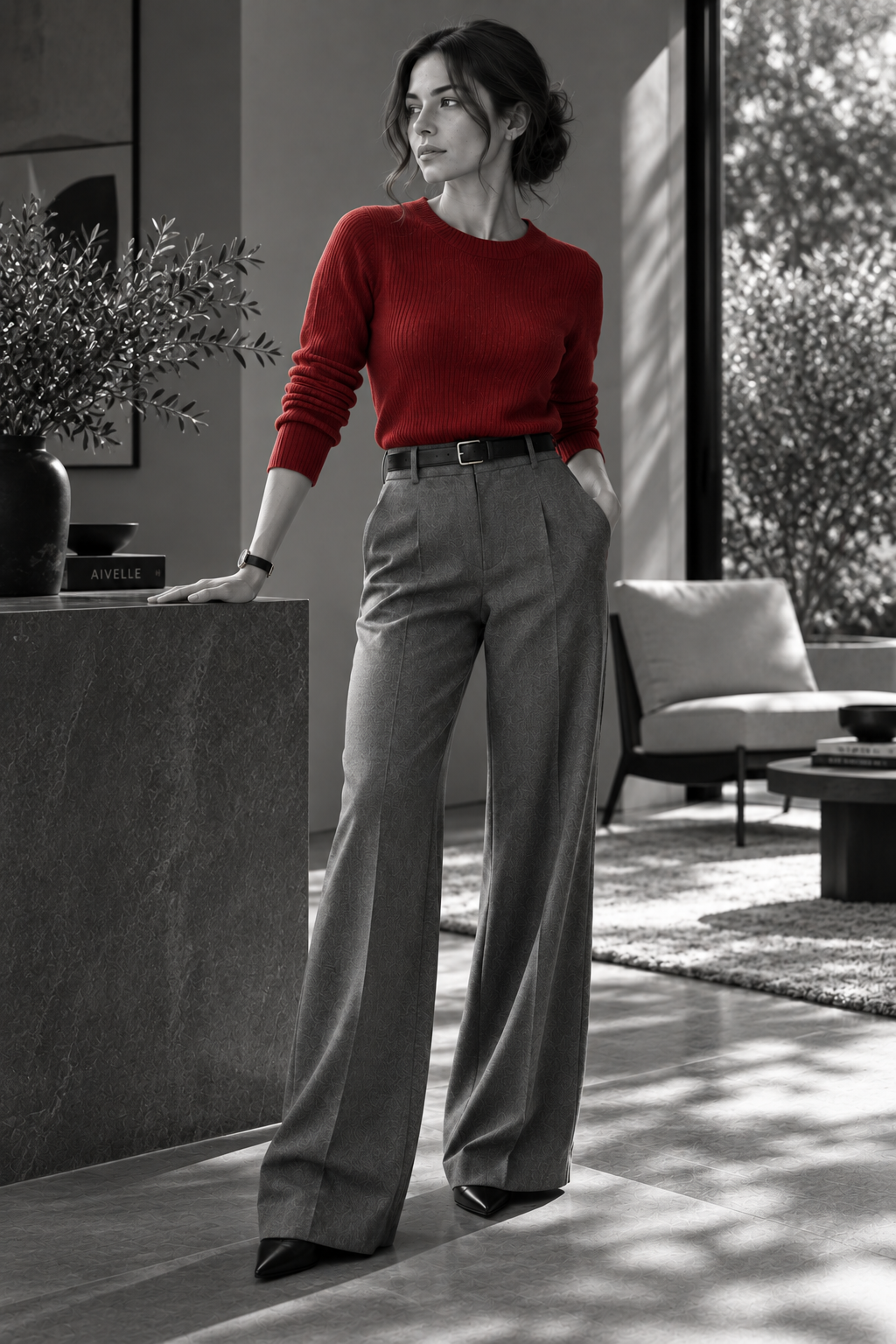
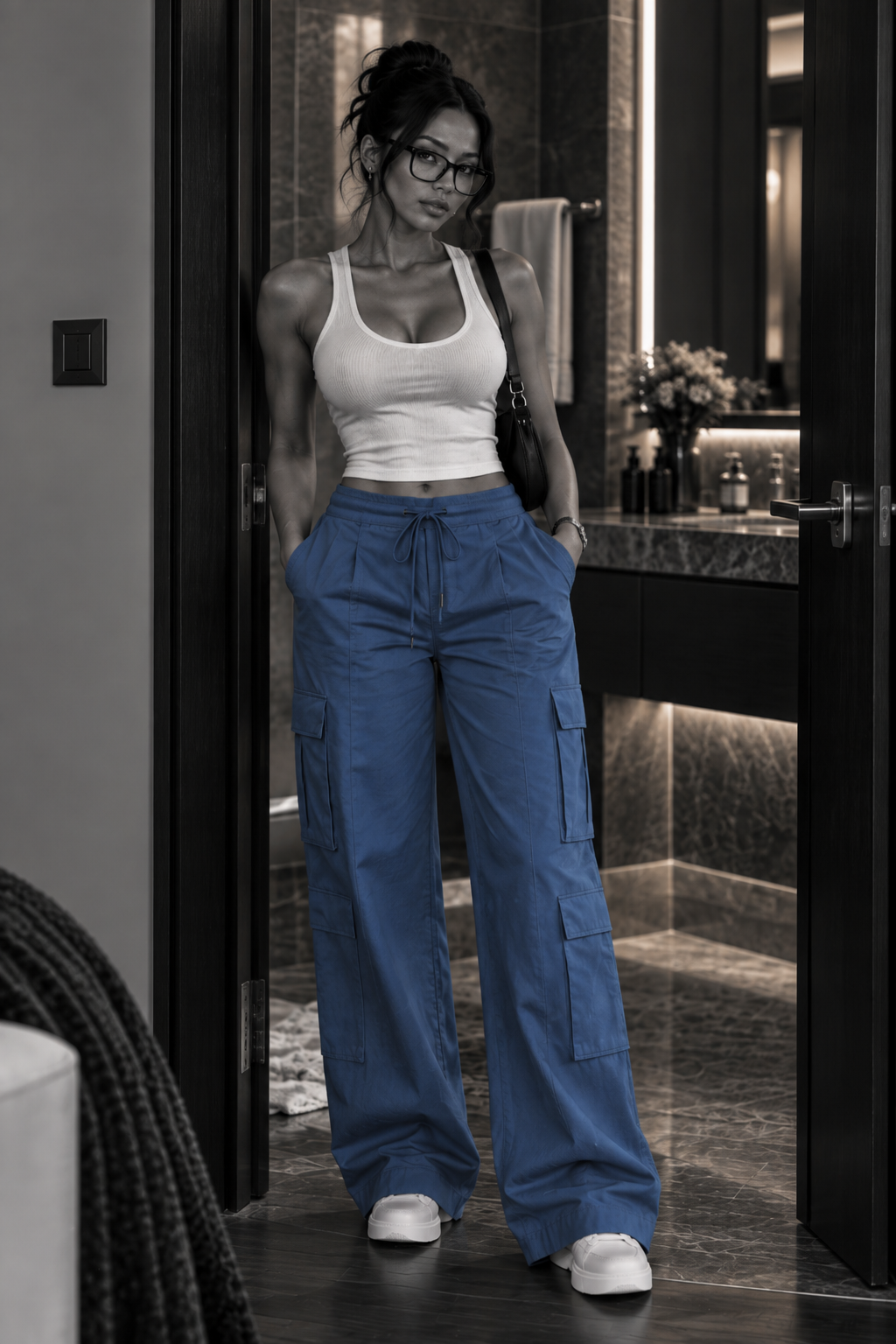
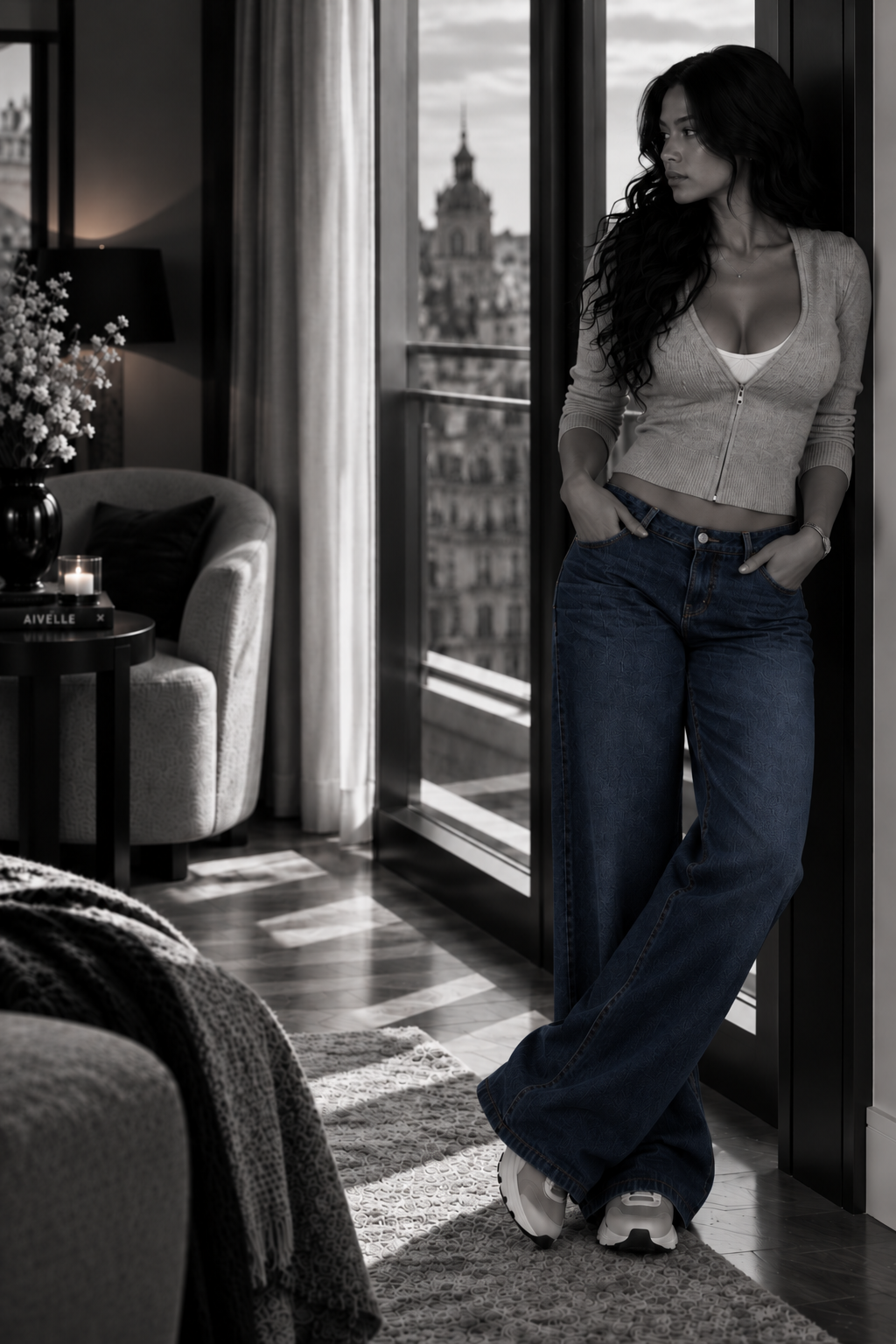
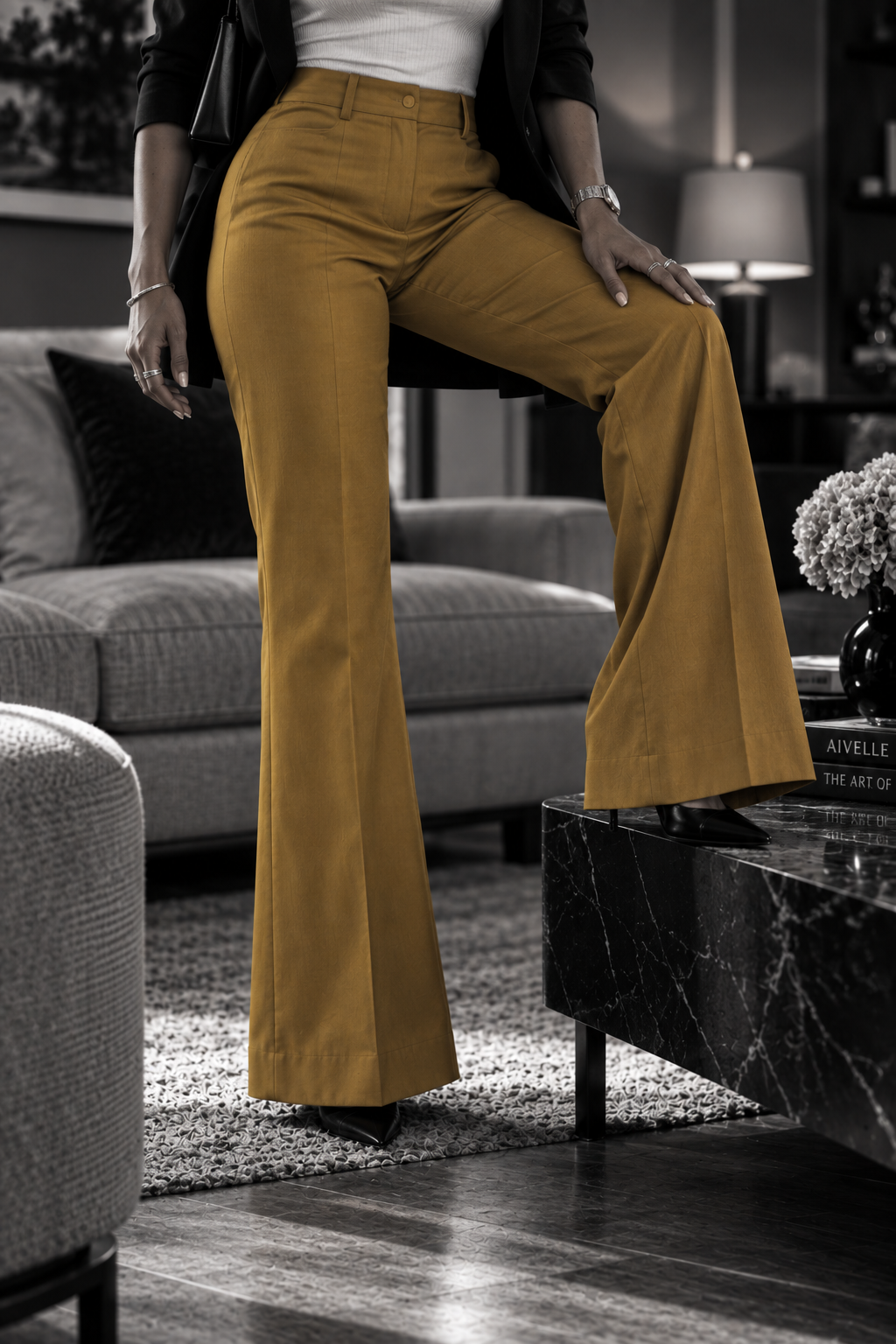
Waist placement changes the apparent relationship between torso and leg before colour, footwear or styling enters the conversation. On a petite frame, a waistband arriving a little too low can make a trouser feel heavier than it really is. A rise that sits cleanly at the intended point can make the same amount of fabric feel controlled.
High rise is not automatically correct, and low rise is not automatically wrong. The useful question is whether the rise, waistband and top length create a deliberate division rather than an accidental one.
03 · THE TROUSER
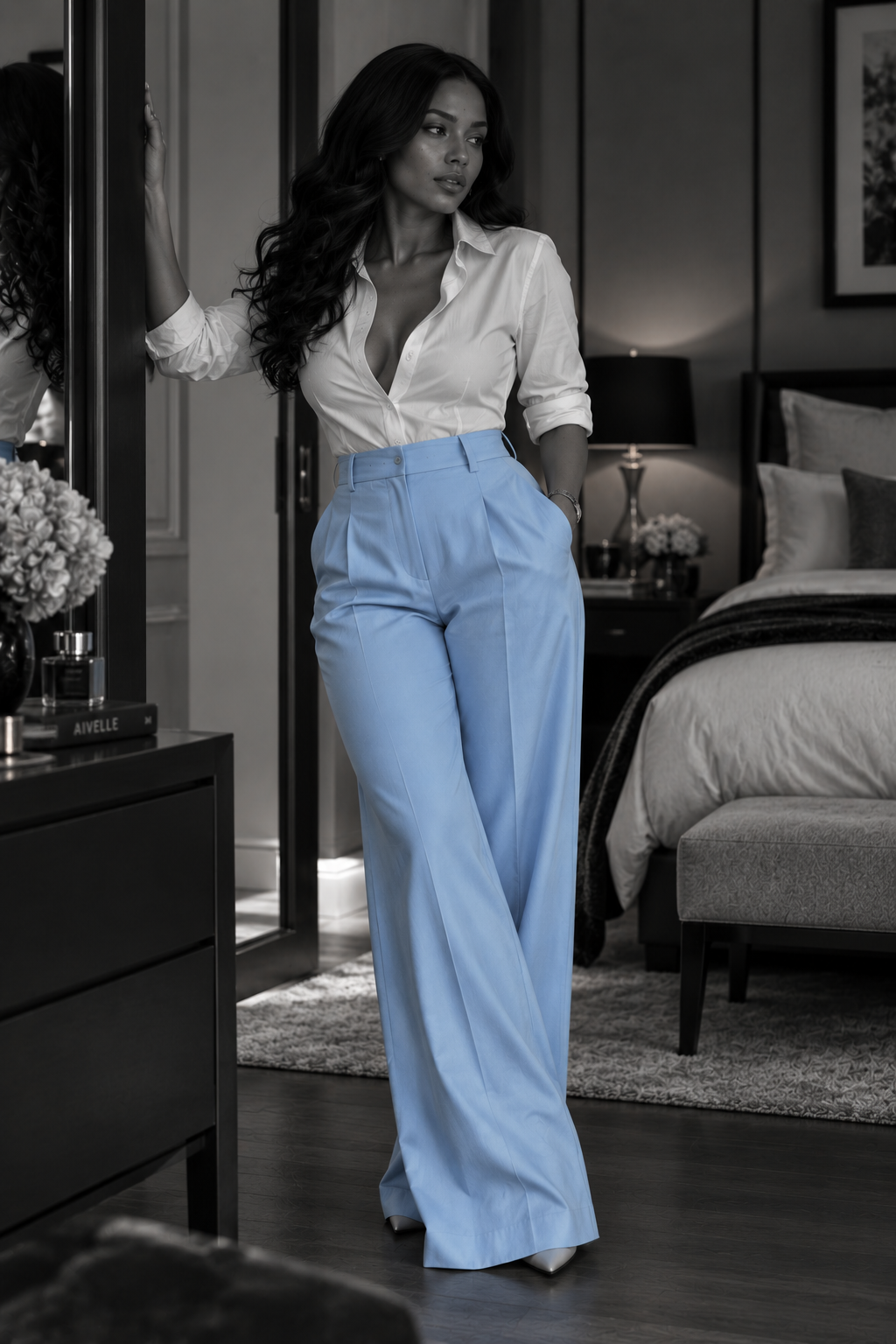
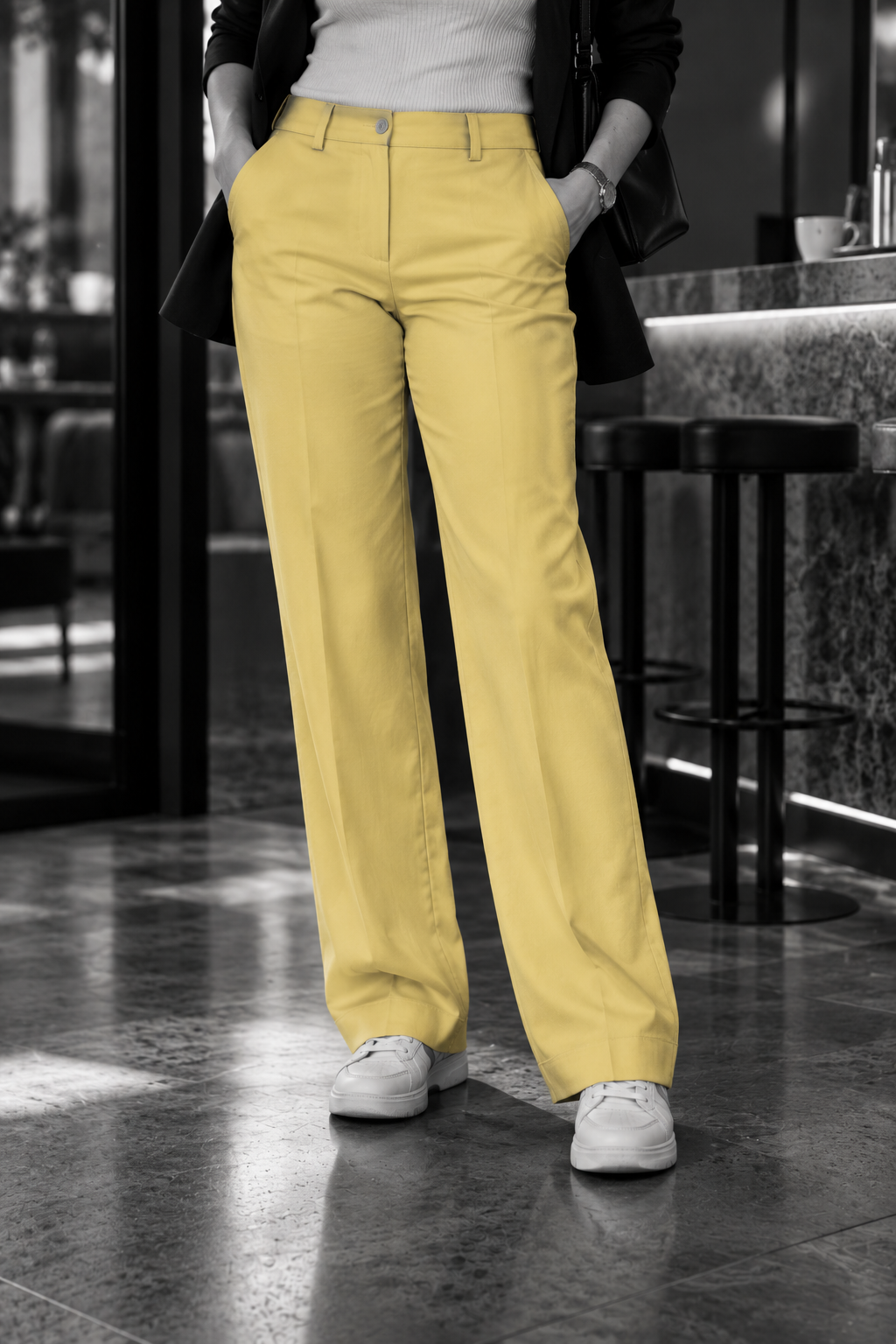
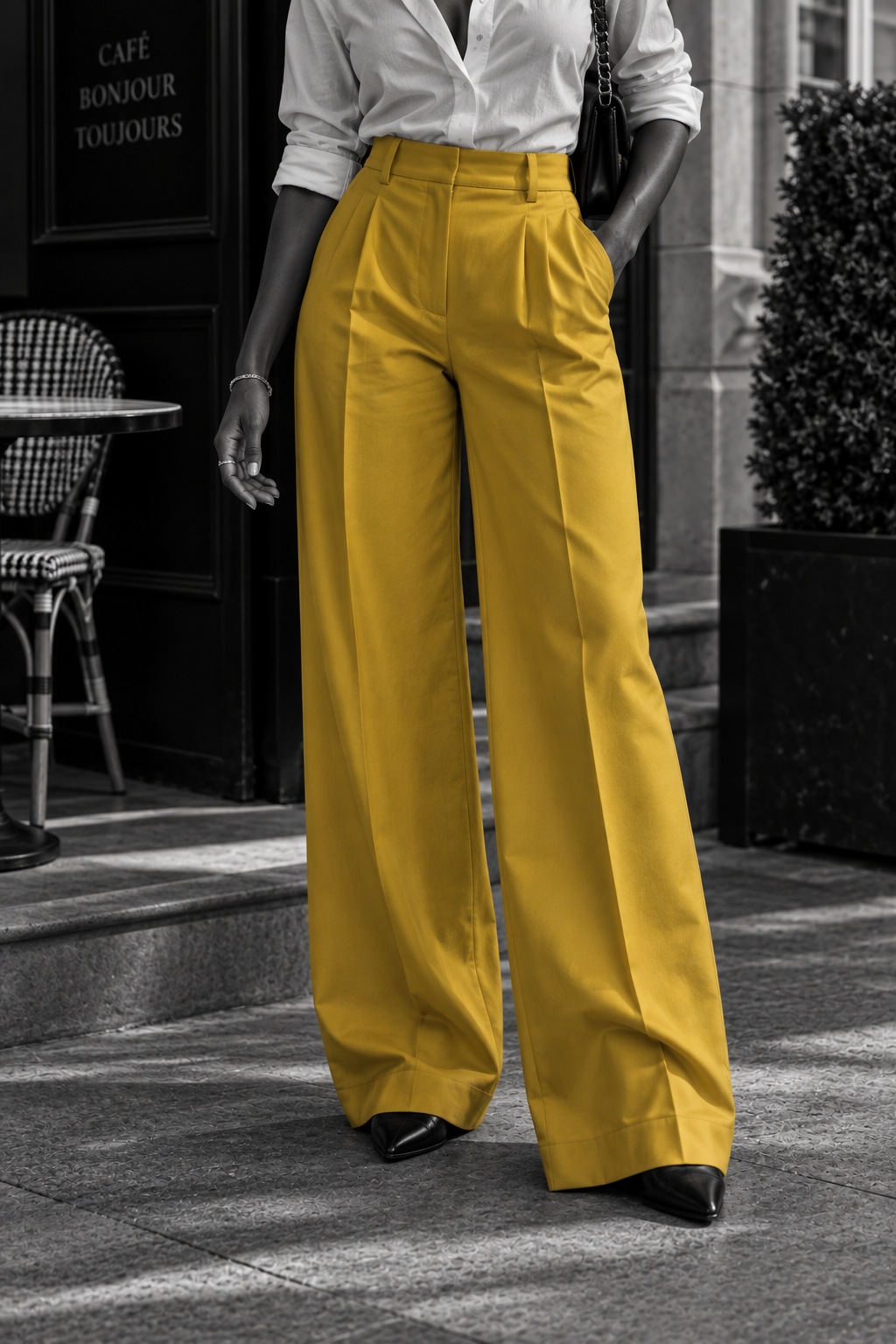
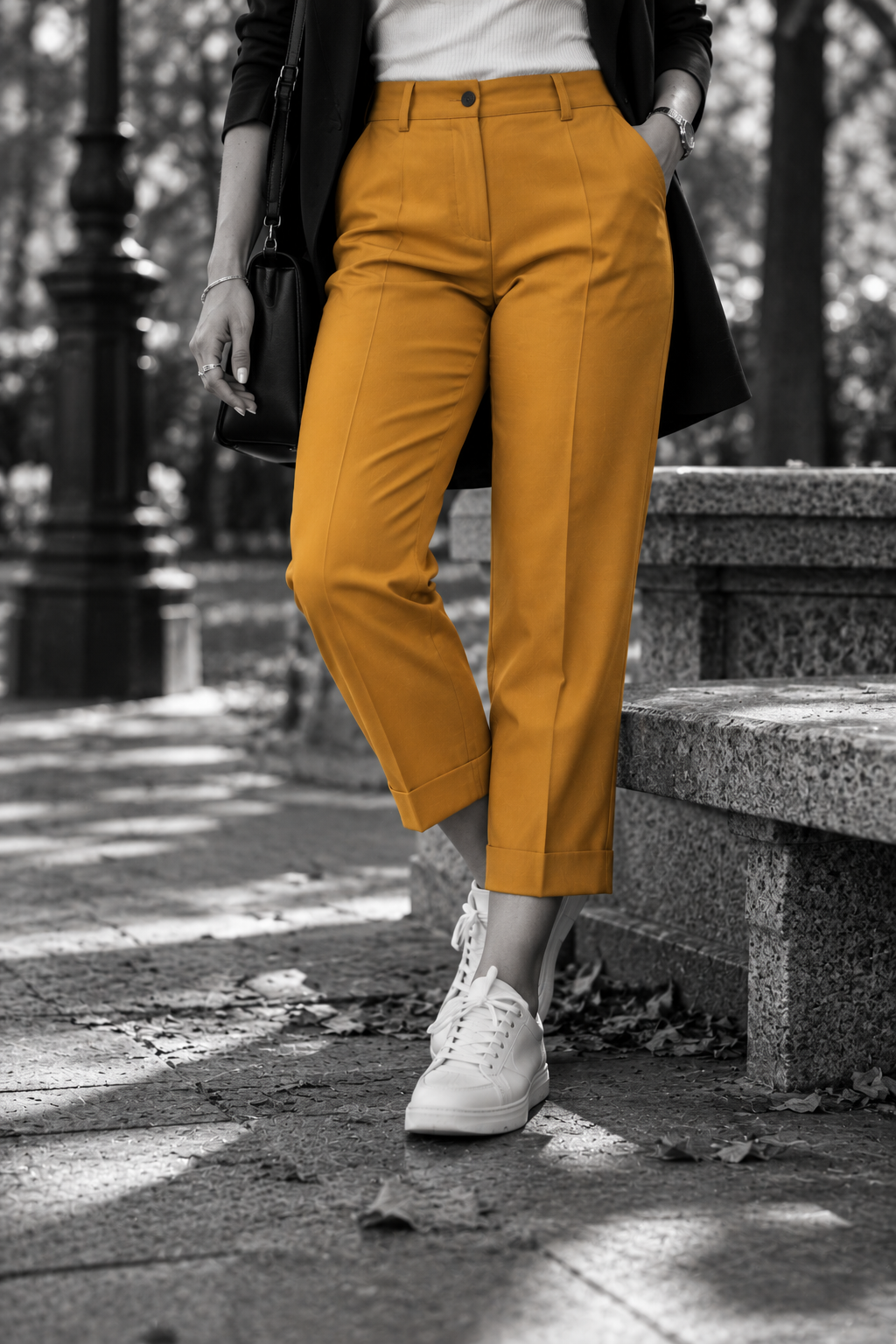
A petite trouser needs more than a shorter inseam. With flares, barrel legs, pleats and wide cuts, the knee, fullness and break all need to arrive at the right points. This is why taking several centimetres from the bottom of a regular trouser can still leave the garment feeling wrong.
04 · JACKETS / COATS
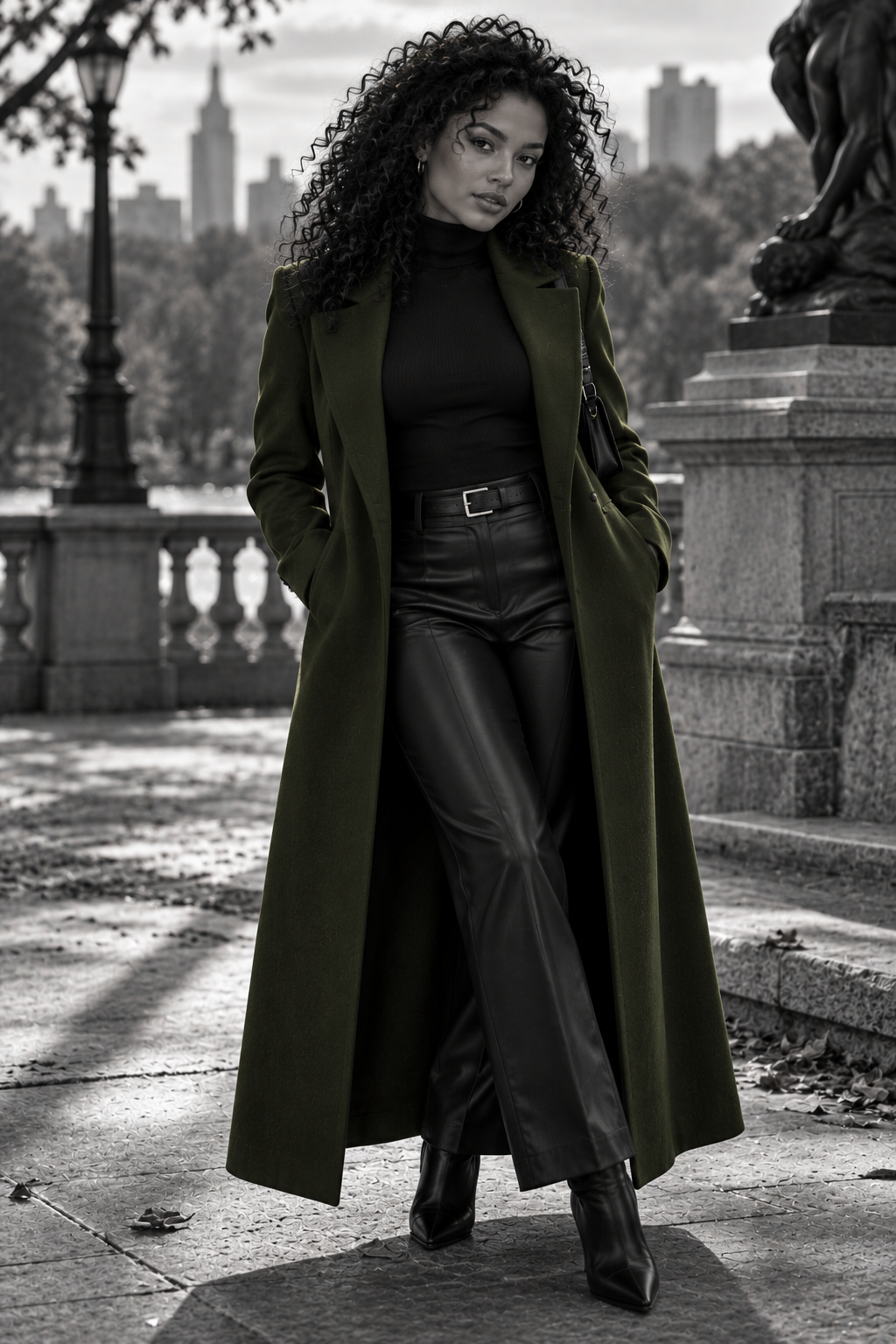
Petite advice often bans long coats and oversized jackets. That turns proportion into prohibition.
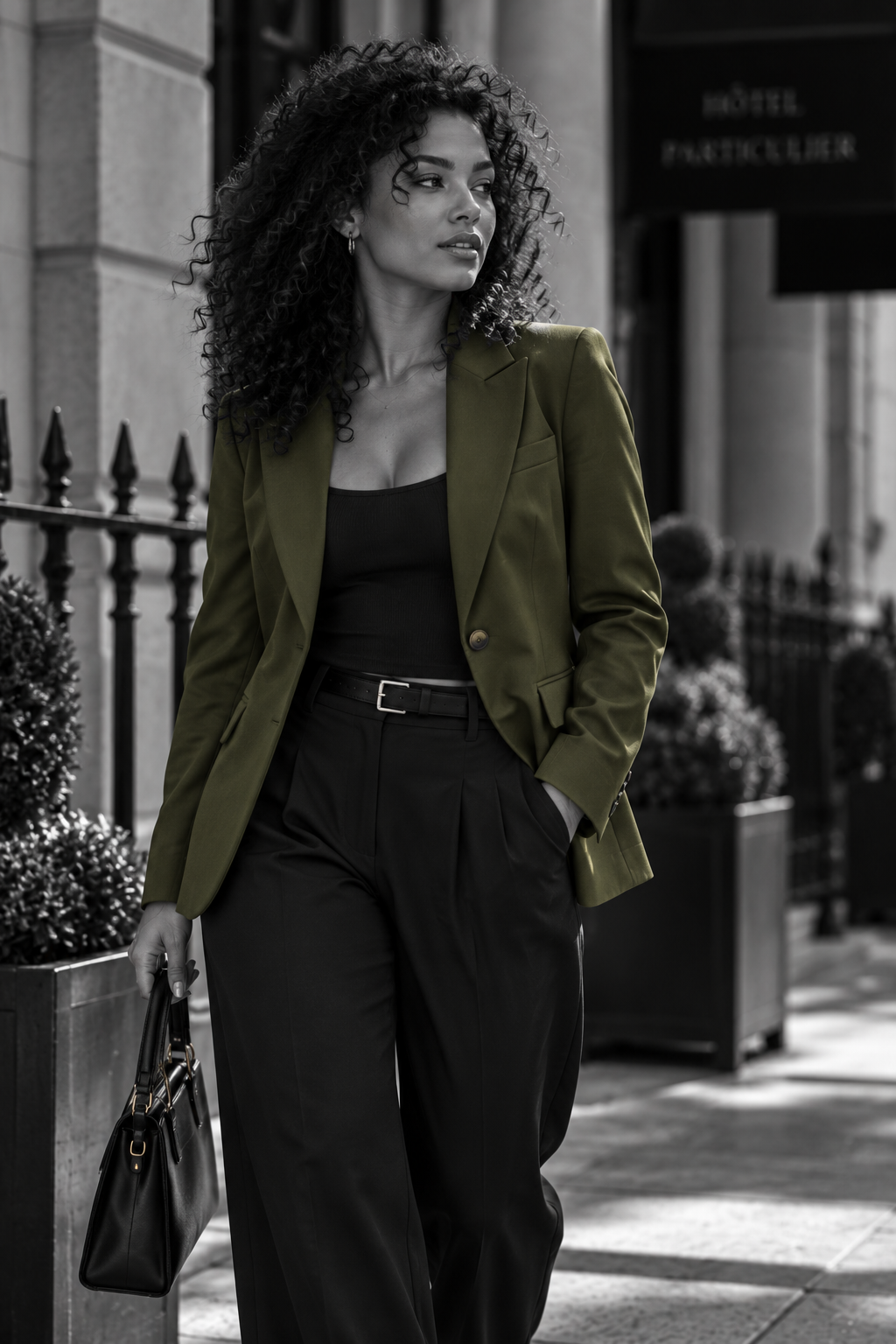
A long coat can look exceptional on a shorter woman when the shoulder sits correctly, the sleeve is intentional, the opening remains clear, and the volume does not start too far away from the body.
With blazers, the button position and hem matter. A jacket designed on a longer block may place both lower than intended, so the garment can feel too large even when the chest measurement technically fits.
The question is not: “Can a petite woman wear this?” It is: “Has this shape been controlled?”
05 · SKIRT / DRESS
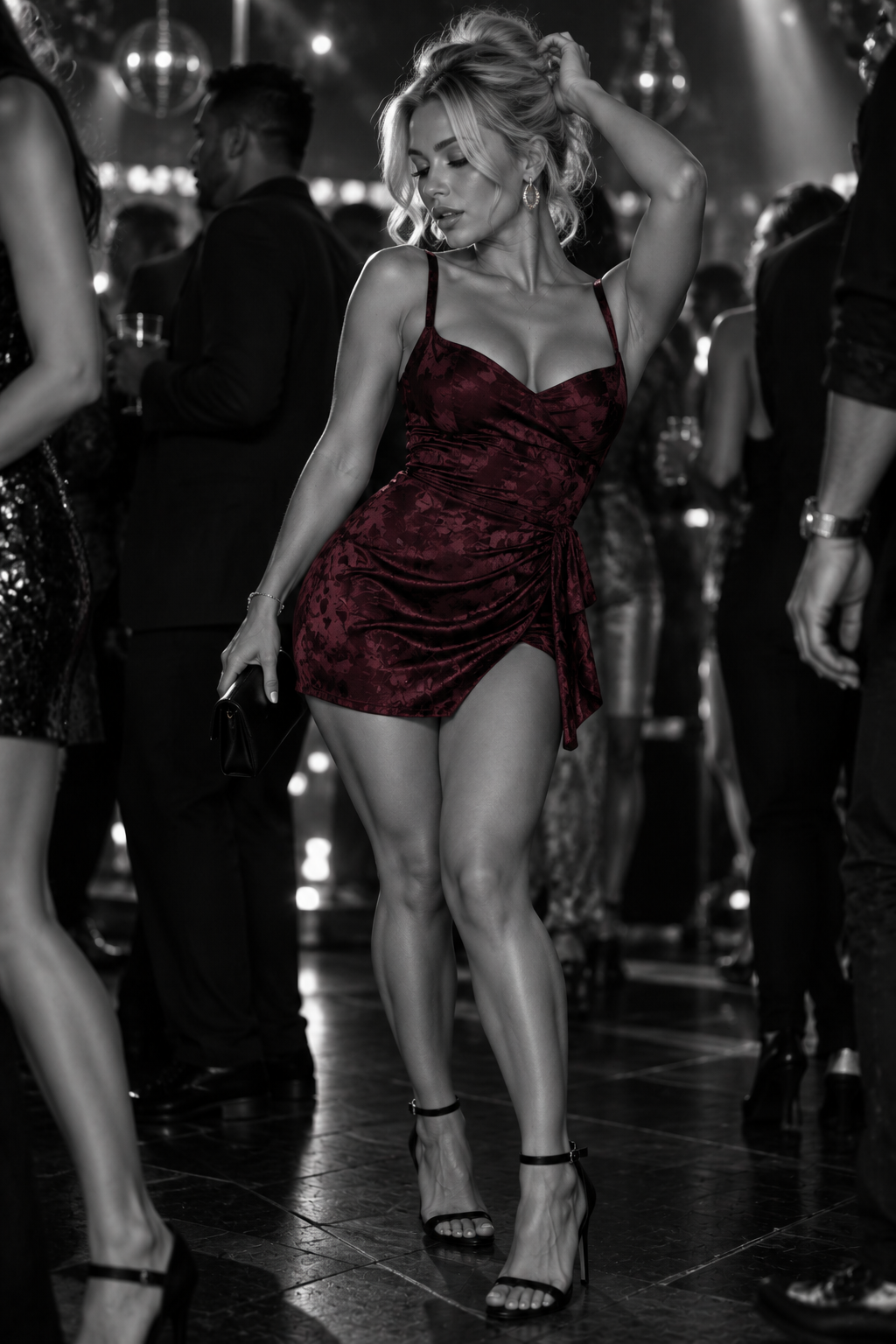
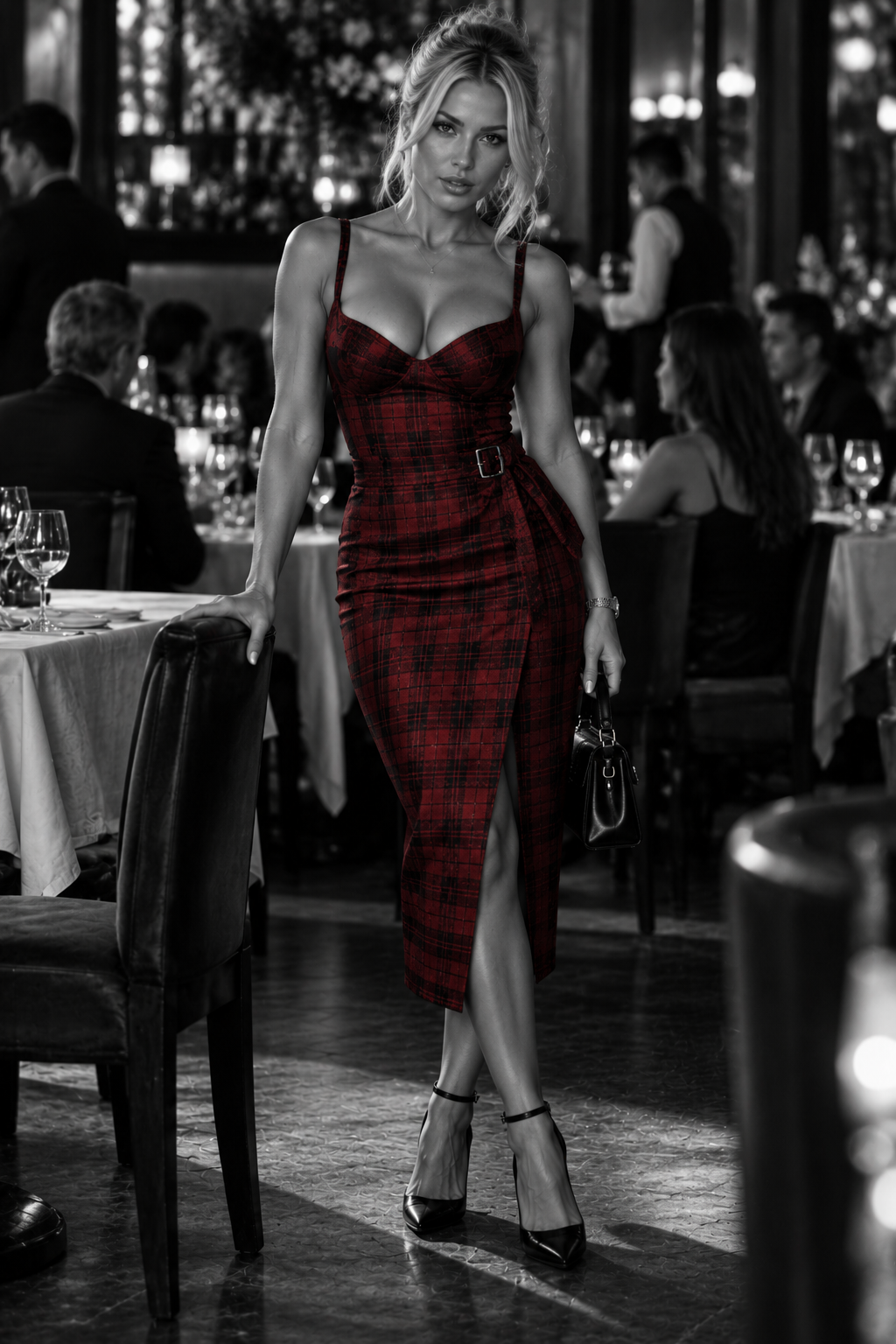
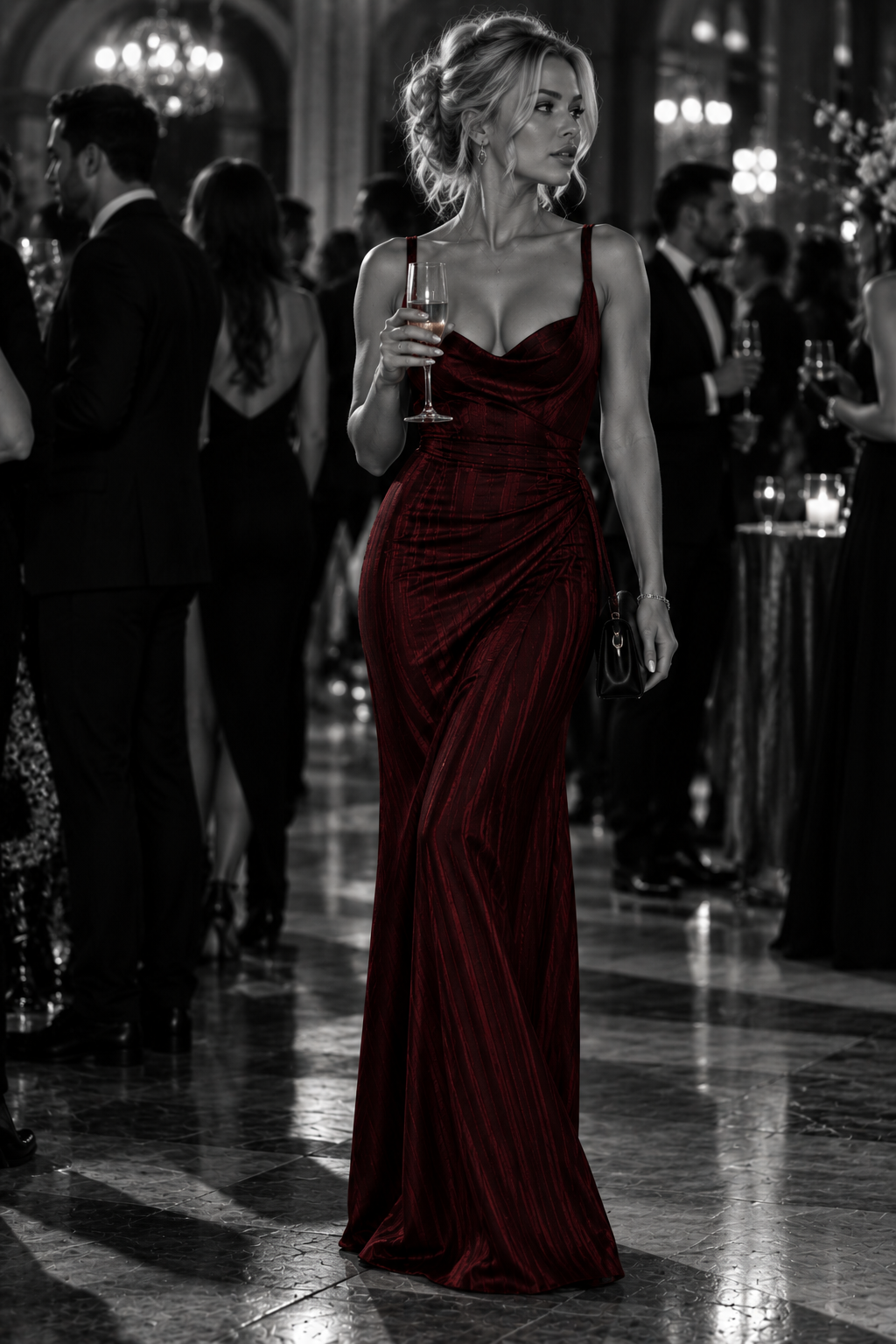
With dresses, shortening the hem cannot move a waist seam, shoulder, pocket or gathered panel. If those details were designed around a taller body, the dress may still feel vertically displaced after alteration.
This is one reason a true petite cut can feel unexpectedly different from the regular version of the same idea.
06 · THE OVERSIZED QUESTION
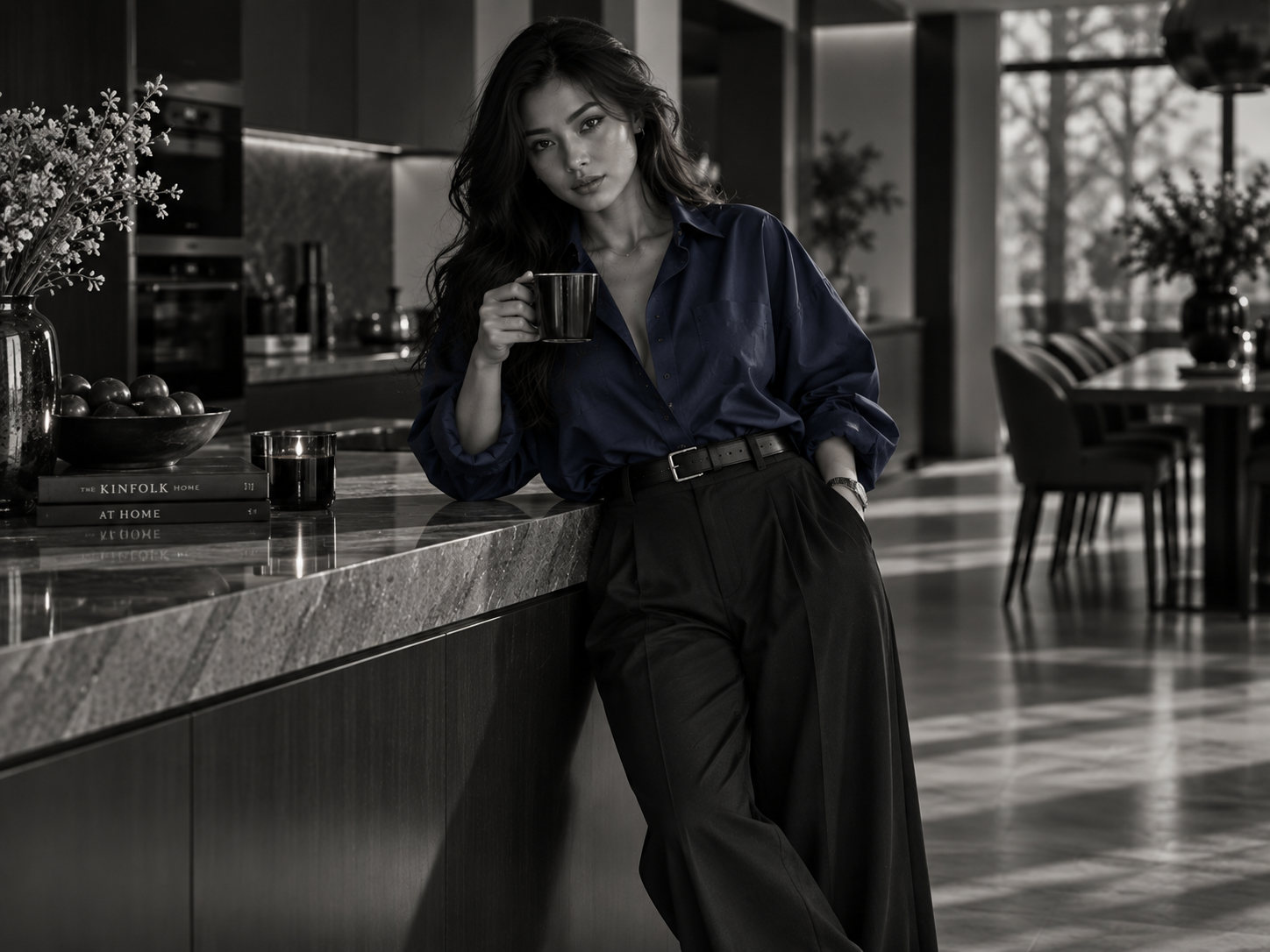
Petite women do not need to avoid oversized clothing. The difference is whether the scale has one or two points of control.
Let a coat carry volume, then show a precise wrist. Let a wide trouser move, then keep the waistband clean. Let a shirt fall loose, then make sure the shoulder and sleeve are deliberately exaggerated rather than simply too long.
07 · THE SHOE LINE
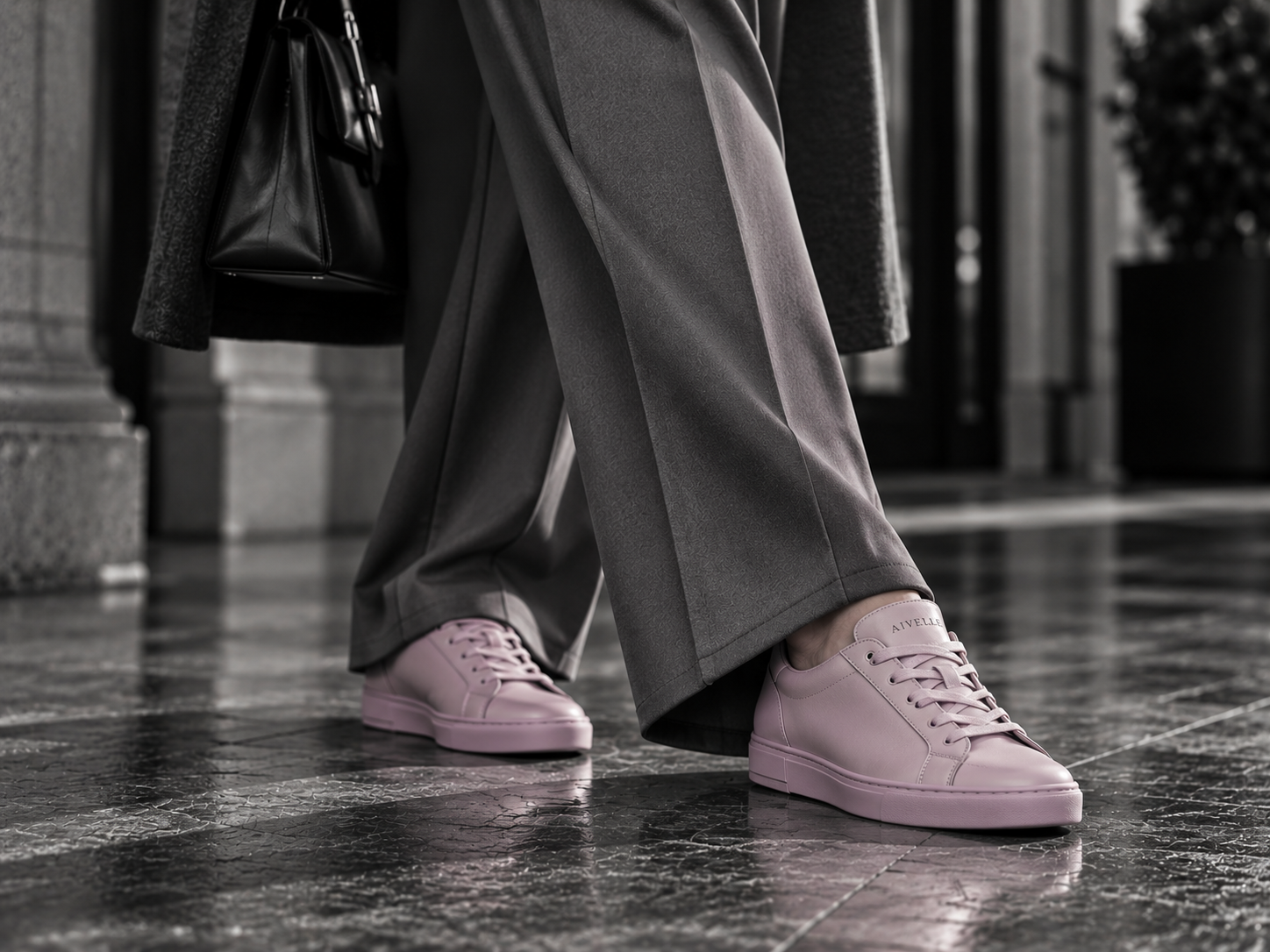
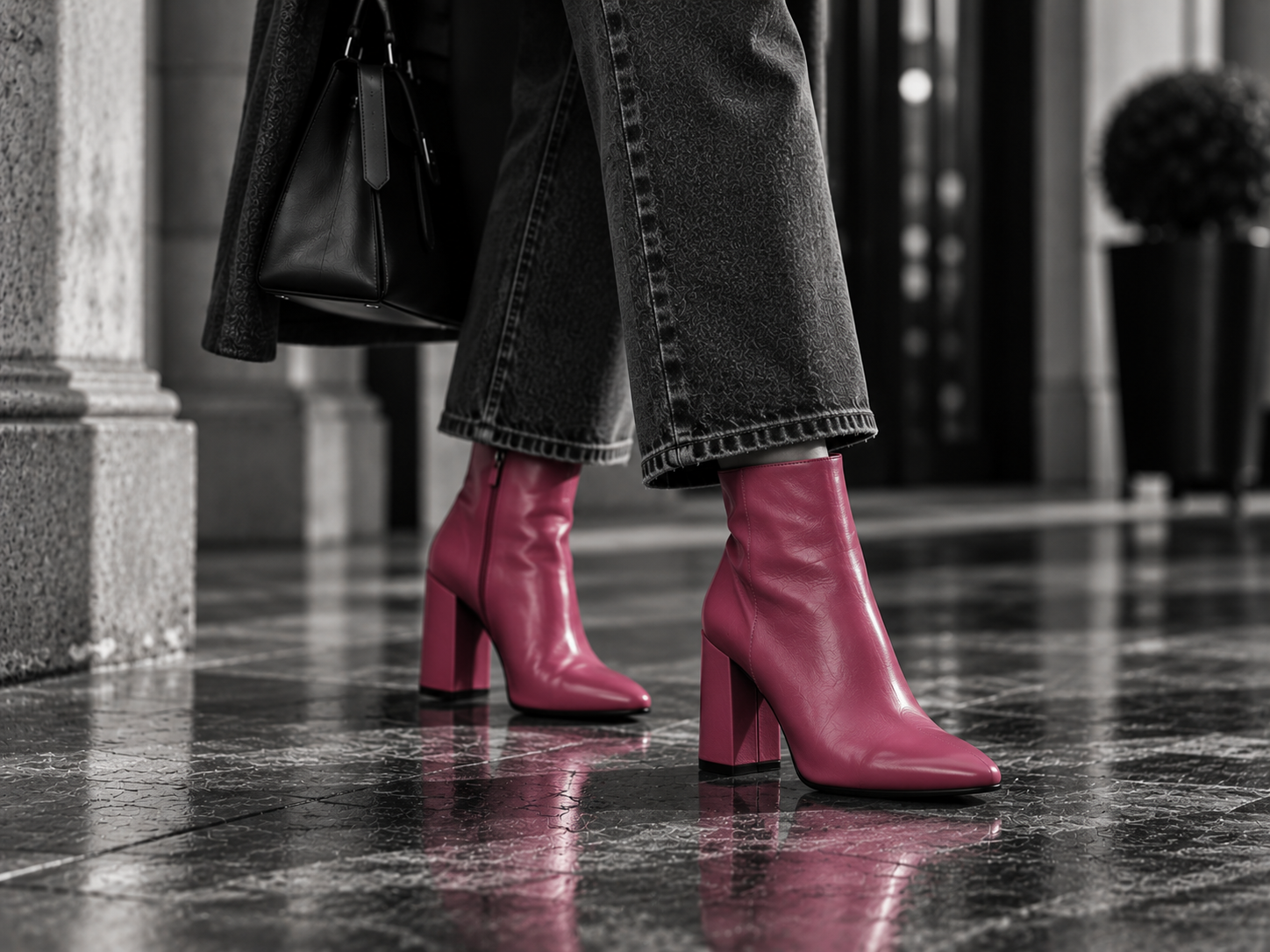
Heels are not a requirement for petite dressing. A flat, loafer, trainer or boot can work just as deliberately when the trouser or skirt finishes with it in mind.
Pay attention to interruption. A heavy ankle boot beneath a cropped trouser creates a strong stop. A shoe closer in tone to the trouser continues the line. Neither is inherently better. They produce different visual effects.
08 · THE PETITE FIT CHECK
Five checks can tell you more than the word petite on its own.
Does the seam sit where the garment intends, or does everything begin too far from the neck?
On a dress or jacket, does the shaping arrive at your waist rather than below it?
Does the trouser sit where the cut expects, without excess length through the body?
Is the final break intentional? Consider sleeve, trouser, skirt and coat hems together.
Where does fullness begin? Wide and oversized shapes work when their volume starts in the right place.
Do not ask whether petite clothing is supposed to fit you. Check whether this particular garment has been proportioned for you.
09 · BUYING ONLINE
A retailer can offer a genuine petite size while the product imagery still gives you limited information about how that garment will read on your own height and proportions.
Do not assume that a petite label means the photograph is showing the petite version on a petite model. Read the product description and size guide, check model height when it is supplied, and look for actual garment measurements rather than relying on the picture alone.
Next, for example, currently describes its petite collection as designed for women 5'3" and under and offers petite across a broad range of categories. That range can be genuinely useful, but the same principle applies when shopping there as anywhere else, judge the cut from the information provided, not simply from how the regular product image looks.
10 · WHERE TO LOOK
*A starting point, not an endorsement. Ranges and availability change, so always check the current fit guidance before buying.
Larger names and more elevated ranges where petite proportion extends beyond simply shortening the hem.
A strong premium starting point for suits, tailoring, trousers, denim, dresses and outerwear. Reiss describes its petite collection as proportionately shortened throughout the body for women 5'3" and under.
Visit petite range ↗ PREMIUM / WORKWEARParticularly useful for refined tailoring, workwear, dresses and coats. Hobbs designs its petite collection for women 5'3" and under, adjusting lengths, waistlines, armholes, bodices and other proportions.
Visit petite range ↗ PREMIUM / OCCASIONAn elevated option for dresses, tailoring, trousers, outerwear and occasion pieces. Its petite edit is curated for women 5'3" and under, with the same polished fabrication and finish as the mainline.
Visit petite range ↗ PREMIUM / INDIVIDUALA more expressive petite destination spanning dresses, jeans, trousers, tops and selected jackets. The range includes adjusted hemlines, sleeves, rises and waist placement rather than relying on length alone.
Visit petite range ↗ DRESSES / OCCASIONParticularly useful when a dress or jumpsuit needs more than a shorter hem. Its petite range is designed for women 5'4" and under, with adjusted sleeves, hems, waist placement and rise.
Visit petite range ↗ MODERN / TAILOREDA more edited petite offer across dresses, trousers, jackets, skirts and selected knitwear, useful when you want a cleaner contemporary line without losing proportion through the body.
Visit petite range ↗**Editorial note. Retailers and ranges in this guide are selected independently by AIVELLE for their relevance to petite fit, proportion and availability. Some links may be affiliate links, meaning AIVELLE may receive a commission if you make a purchase, at no additional cost to you.
AIVELLE · STYLE STUDY
The best petite wardrobe is not a collection of tricks. It is a collection of garments whose shoulders, waists, rises, hems and volumes arrive where you want them to.
Once you begin seeing those relationships, shopping changes. You stop asking whether a trend is allowed on a shorter body and start deciding whether this particular version has the line, scale and presence you want.
Height is fixed. Style is not.